Nutrient bloom
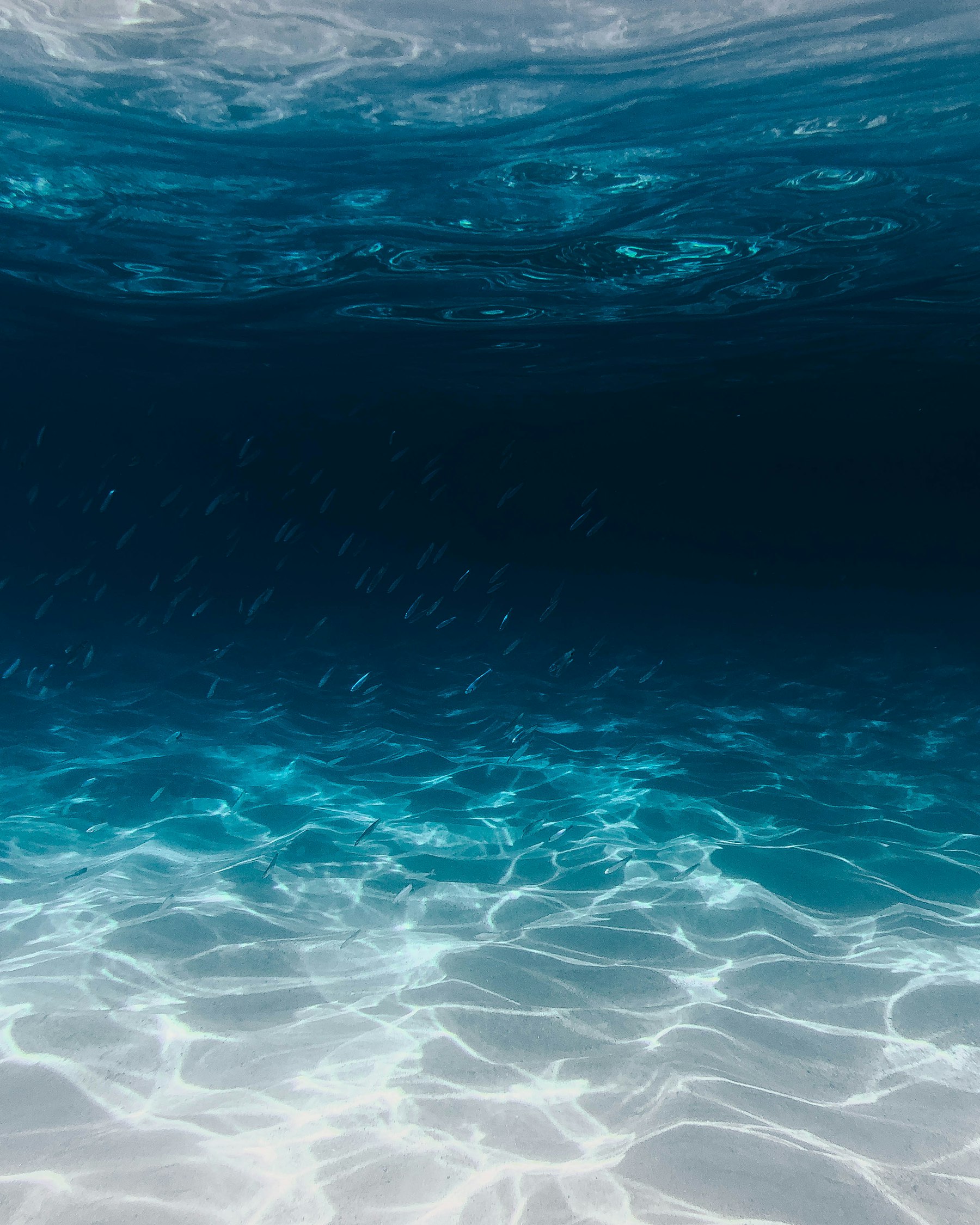
Upwelling reignites the phytoplankton the scallop feeds on. More food means better fattening and a deeper roe.
The Humboldt Current
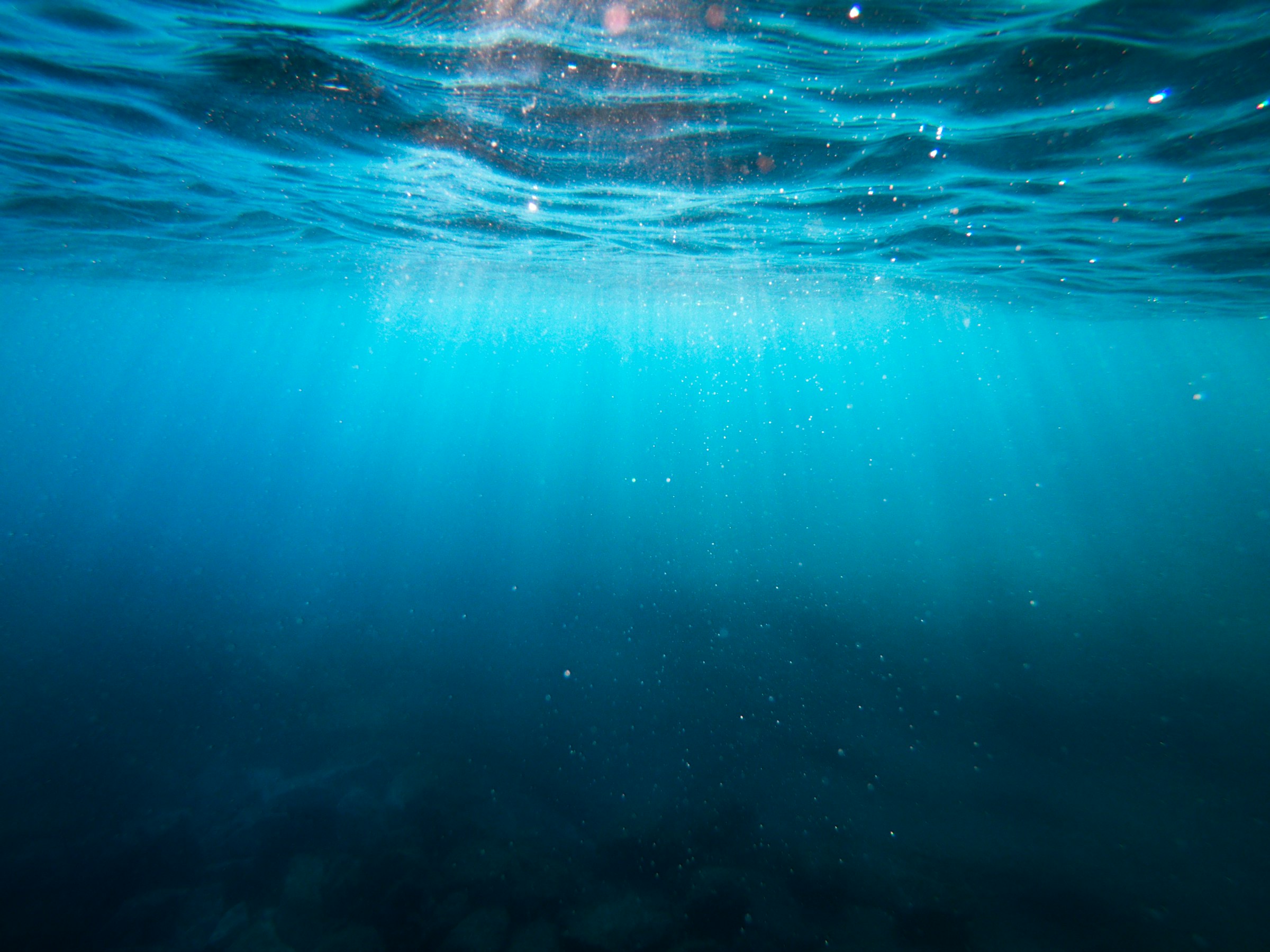
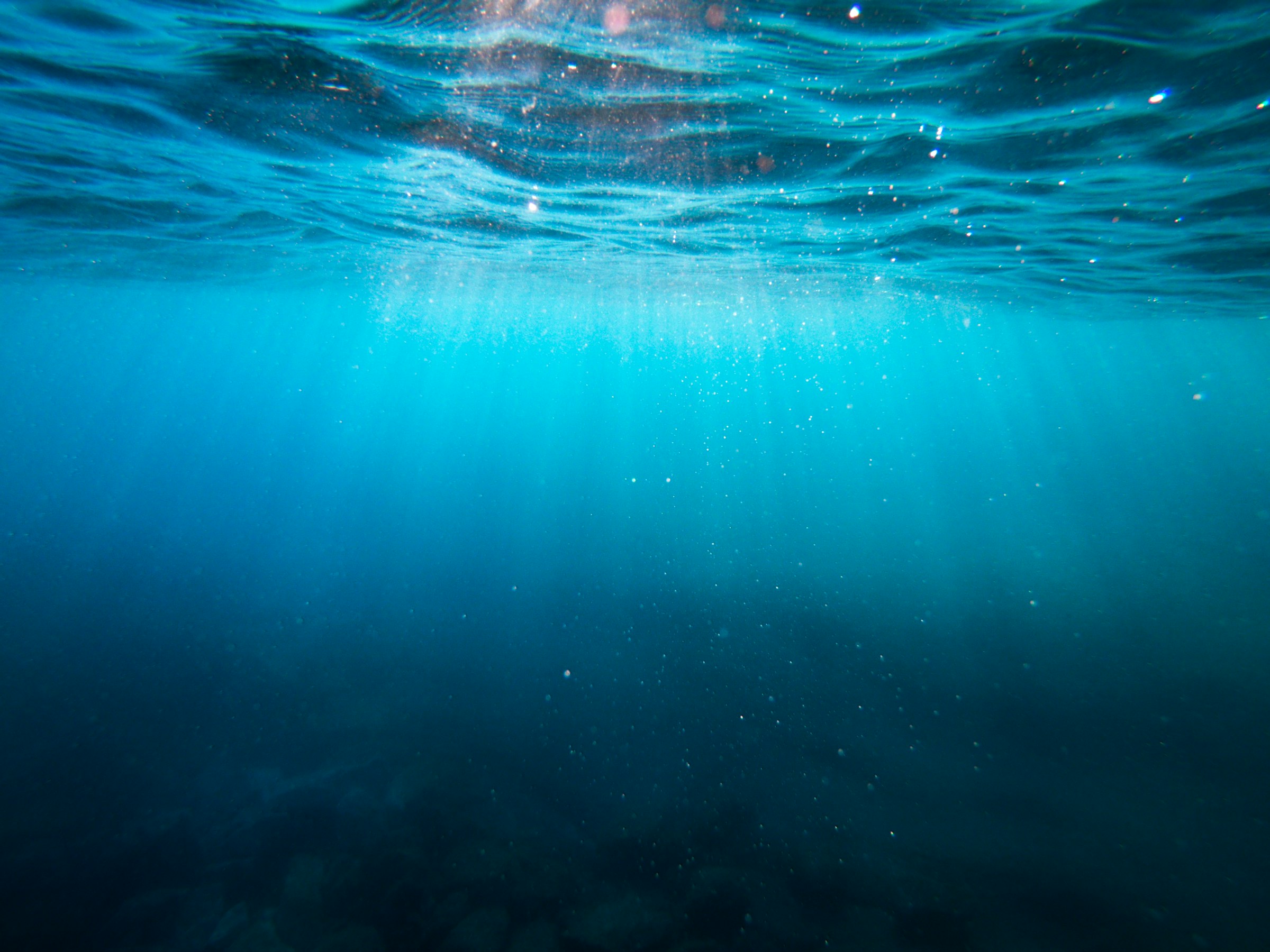
Off Paracas, the Humboldt Current pushes cold water from the seabed up to the surface: this is upwelling.
That water rises loaded with nutrients and triggers a phytoplankton bloom — the scallop’s food. More food means sweeter, firmer muscle and a deeper roe.
Our scallop isn’t better because of marketing: it’s better because of what it eats, in one of the most nutrient-rich waters in the world.
Paracas Bay Exporters from Paracas
Traceability
Every scallop carries its story: where it grew, who harvested it and how it travelled. Here is how we work.
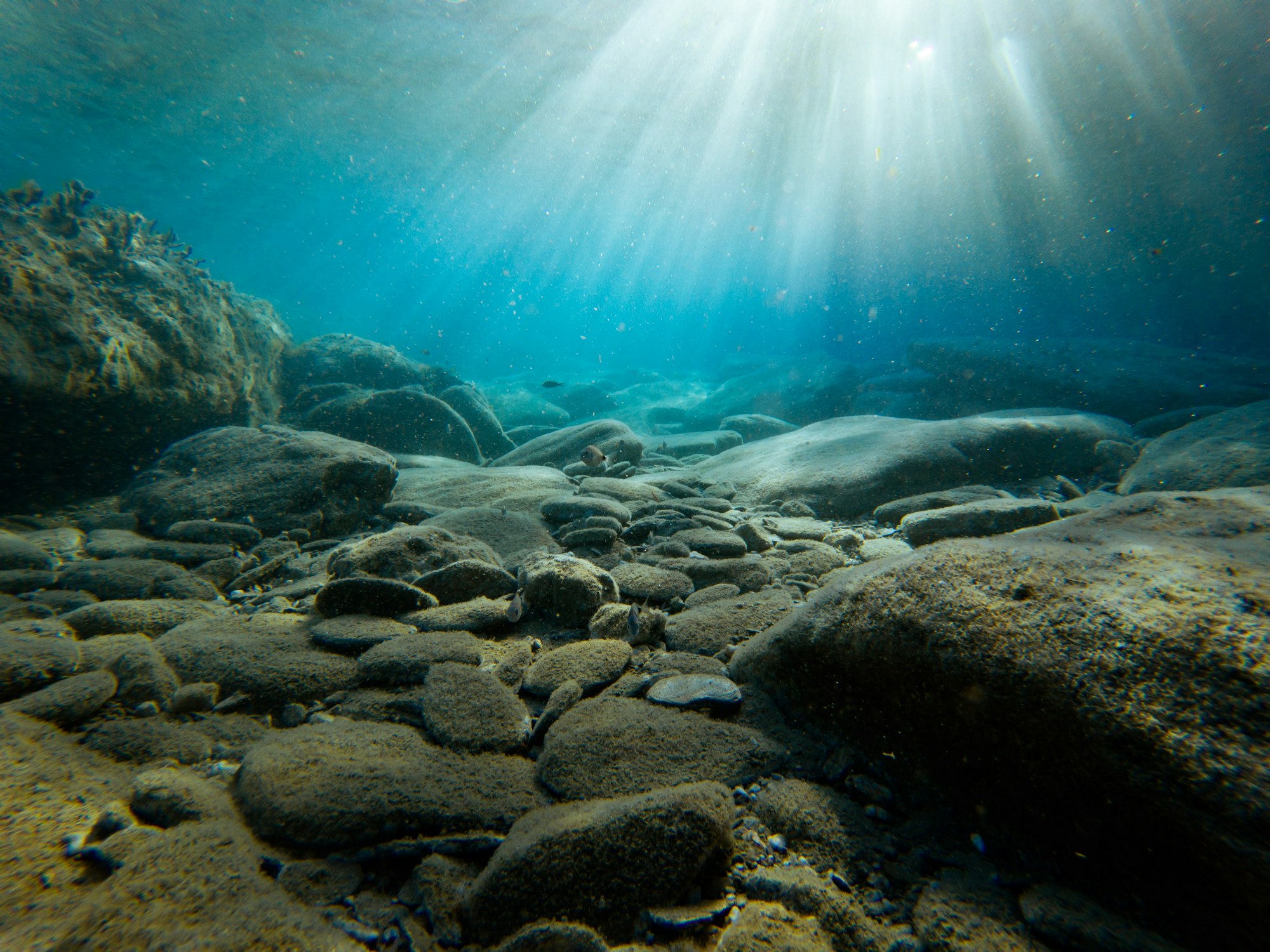
Divers and farmers from Pisco take only legal size, from beds and farms authorised by SANIPES.
The scallop enters the cold chain within hours. Nothing breaks the temperature between bay and plant.
Shucking, cleaning, grading by size and IQF freezing under HACCP protocol.
Health documents, certificate of origin and reefer container ready for Europe, the USA or Asia.
Gallery
The El Niño phenomenon
As warmer water moves in, phytoplankton multiplies and the scallop grows faster and plumper. During the great El Niño of 1983, scallop biomass off Pisco–Paracas reached record levels: that episode put the Peruvian scallop on the world market.
Upwelling reignites the phytoplankton the scallop feeds on. More food means better fattening and a deeper roe.
In warm years the muscle gains size in less time than in the cold season, bringing the harvest forward without sacrificing quality.
Recruitment soars and the natural beds of Paracas fill in again, sustaining export volume.
↑Paracas is one of the few places on Earth where El Niño is an opportunity, not a threat.
Behaviour varies by bay and by season; exact availability is confirmed with each quote.
The species
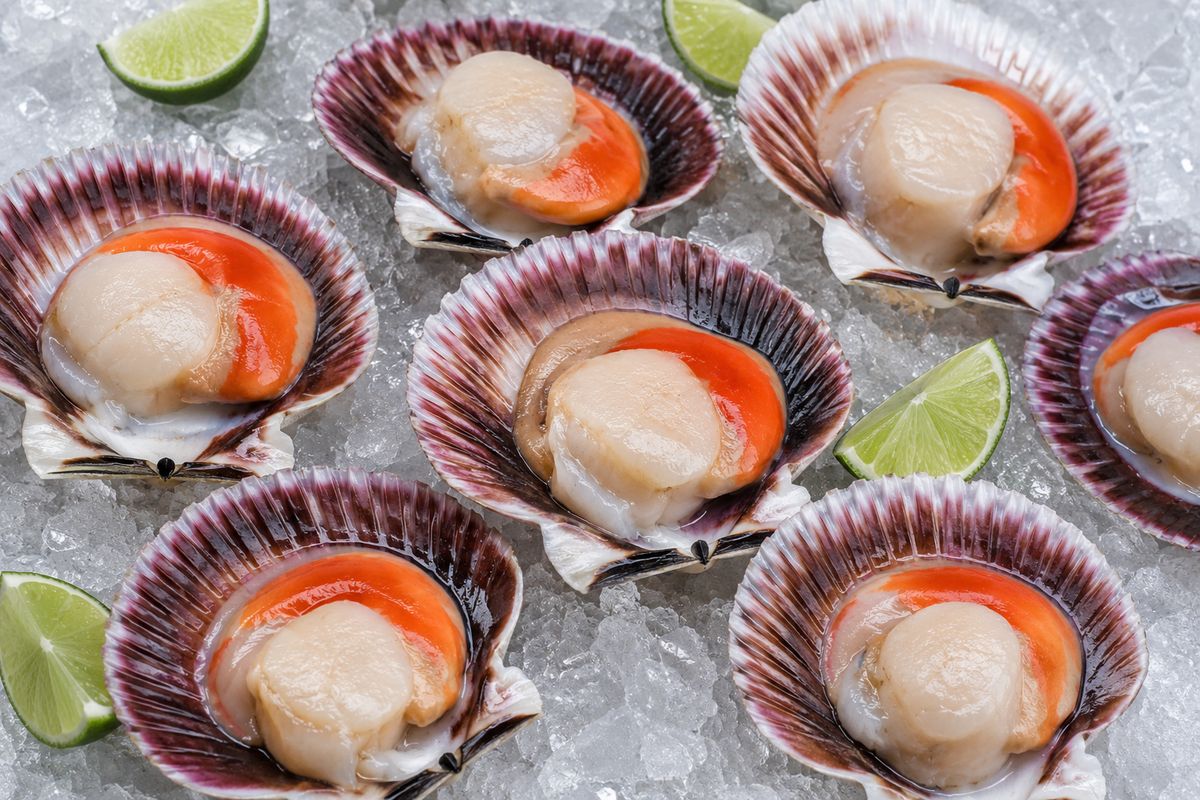
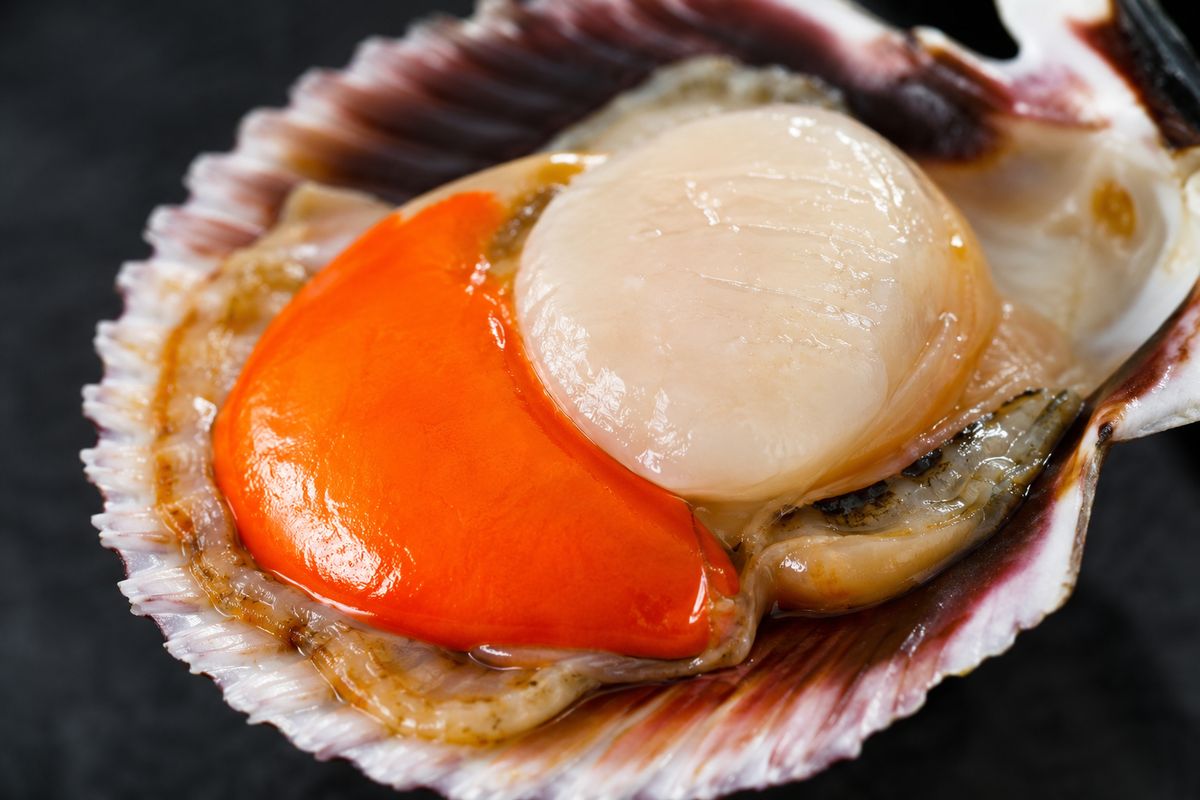
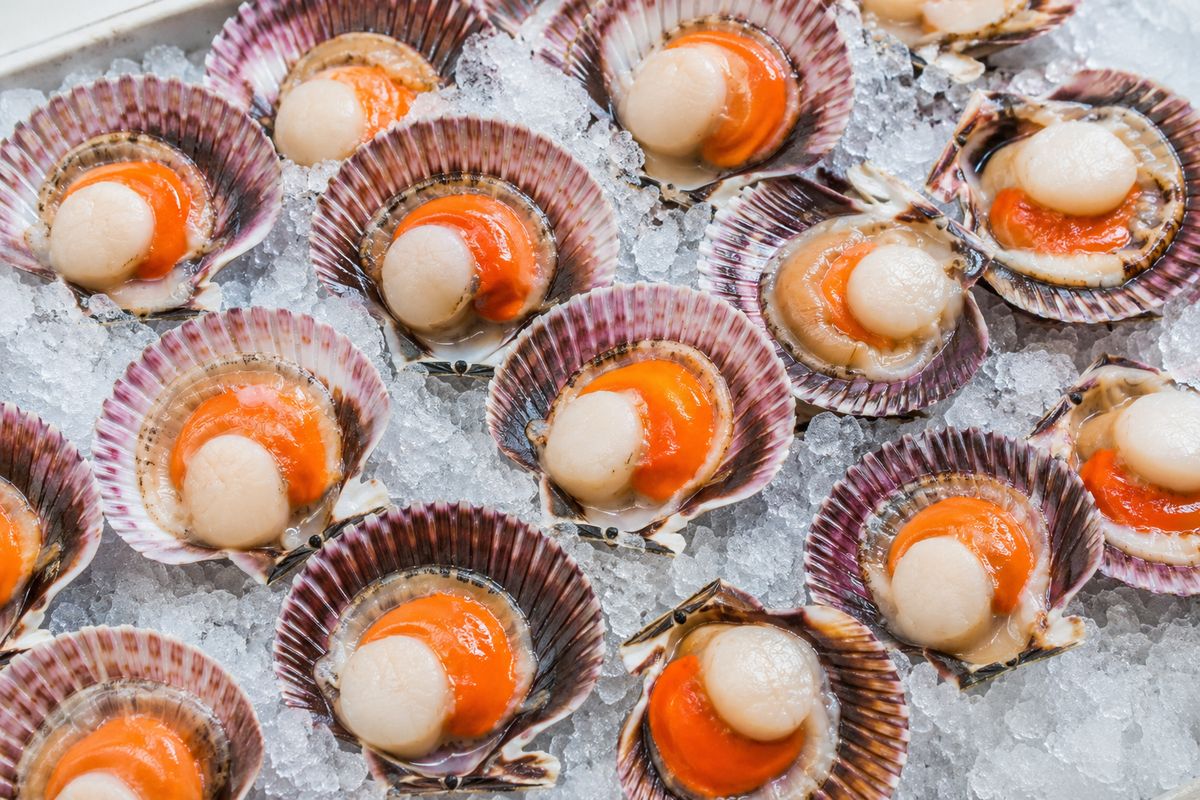
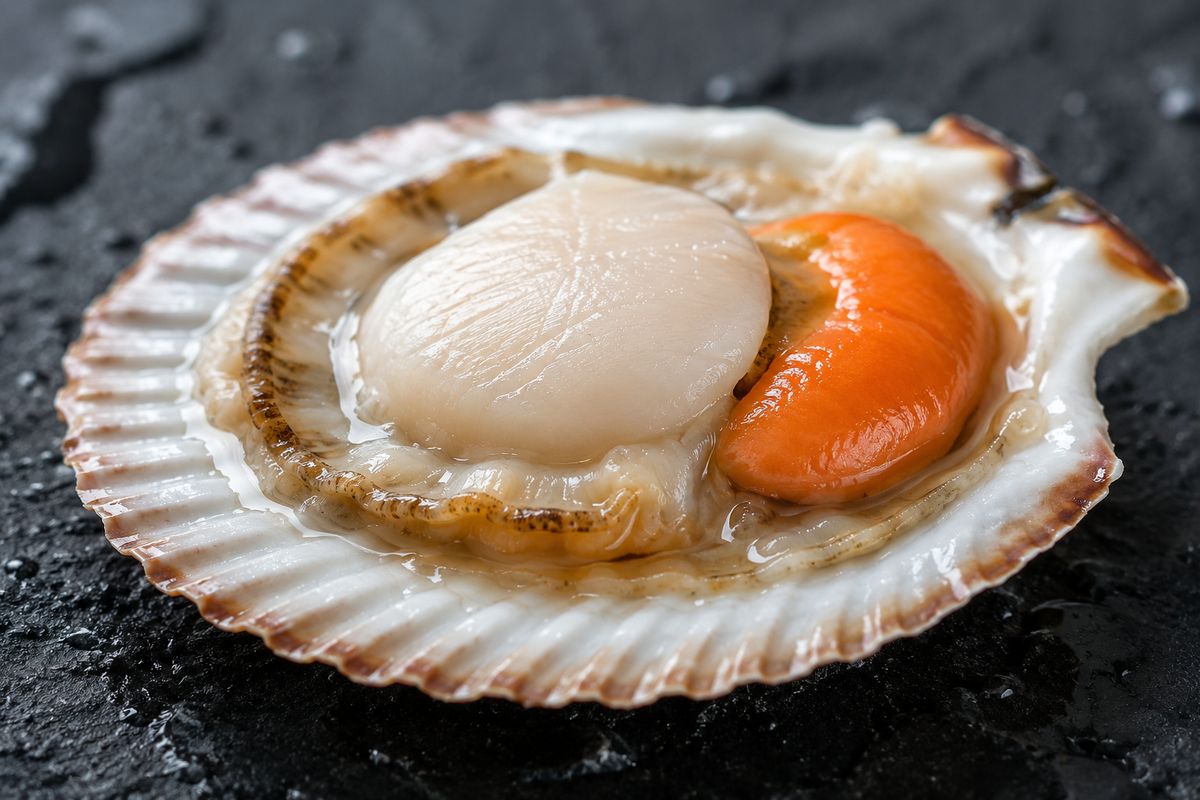
The Paracas scallop is not the Atlantic sea scallop. It is a species of its own — sweet muscle and deep orange roe — grown in the most productive waters on Earth.
◈Every lot is harvested at legal minimum size, by diving or suspended culture, protecting the bed for the next season.
Product
We prepare the scallop for each destination market. Always cold-chain, with labelling and health paperwork ready for customs.
U/10 and 10/20 leave the bay under cold chain and reach the North American market on a flight of about 12 hours.
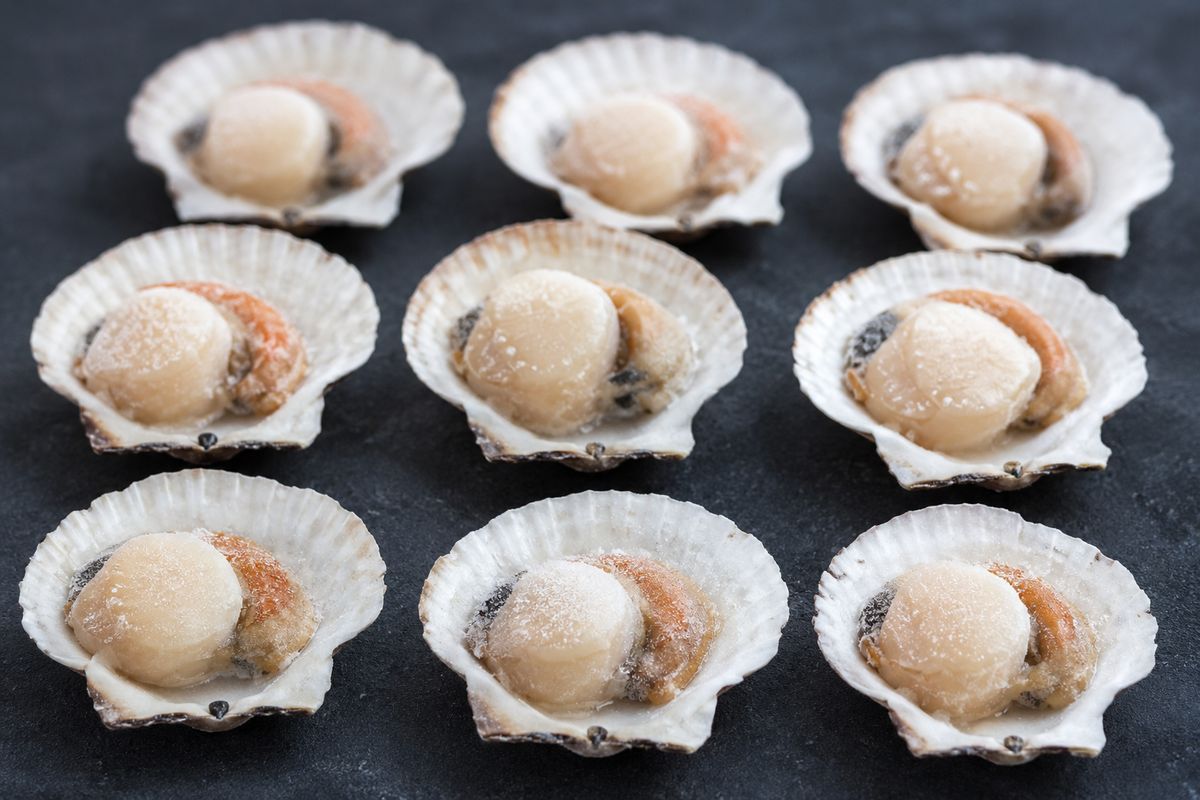
In reefer containers and in the four presentations: half shell, roe-on, roe-off and block / bulk IQF.
Whole scallop on its shell, roe on. Individually frozen, ready to gratin or plate.
Muscle with its orange roe, off the shell. The preferred format in France and Spain.
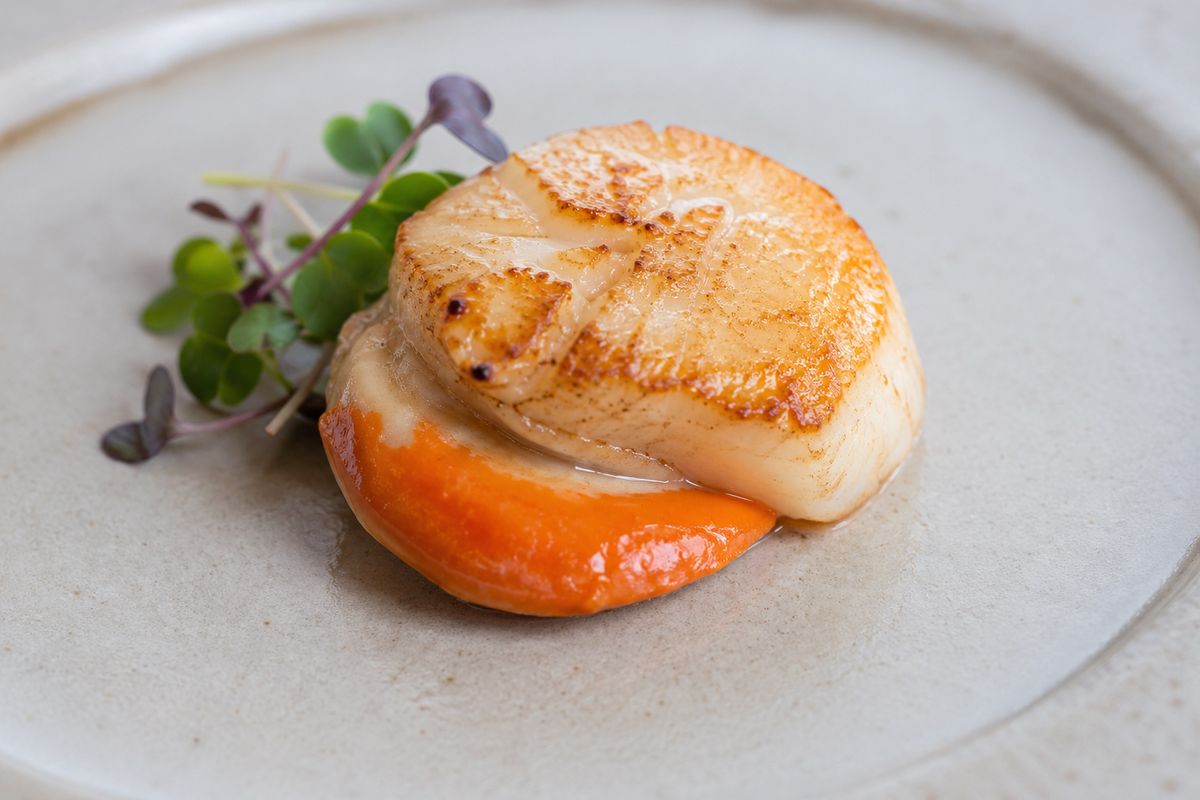
White muscle only, cleaned and graded. Ideal for retail and food service in the USA.
Volume for processors and private label, in master cartons to specification.
Custom packing: vacuum bag, IQF in 1 kg / 5 lb cartons, or full pallet. Own brand or private label.
By the numbers
0h
From sea to cold store
0%
Lots traced
0
Months of lantern-net culture
0
Export grades
Reach
Spain and France lead global demand for the Peruvian scallop, followed by the European Union, the United States, China and Japan. We hold the paperwork and partners to reach every one of them.
Let’s talk
Tell us the format, grade and volume you need. We reply with an FOB Callao price and availability.
Questions
We work from a half pallet for market trials up to full 40-ft reefer containers. We set the minimum based on format and destination.
Both. We handle scallops from the natural beds of Paracas and Independencia and from suspended lantern-net culture. Every lot states its origin.
Both formats. The European market usually wants the scallop with its orange roe; the US market, the white muscle. We match your spec.
We quote FOB Callao by default, but also CFR or CIF to the destination port you name.
In Paracas, El Niño improves the scallop’s fattening and volume. We tighten temperature control and grading so the standard stays stable all year.